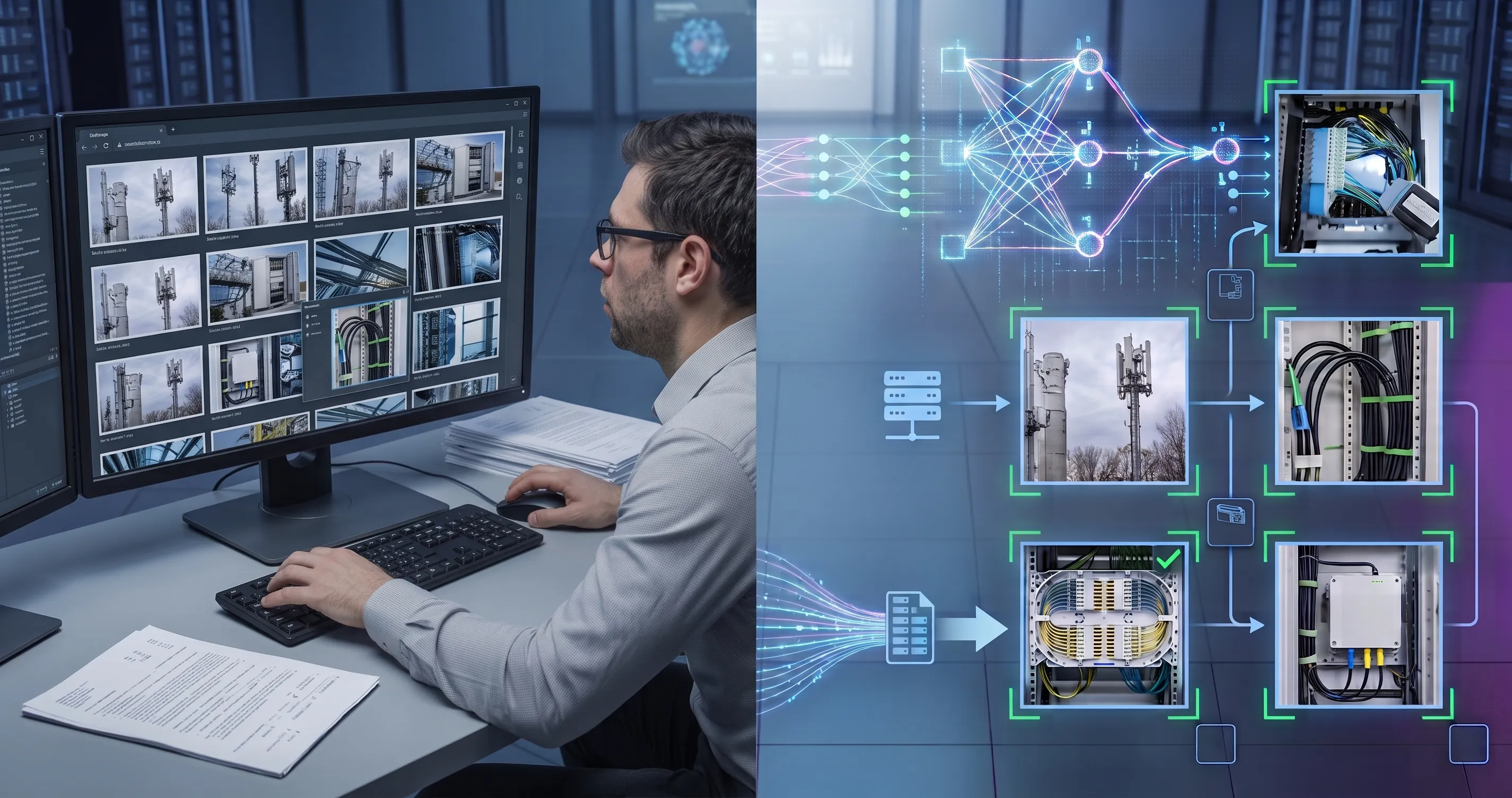
Not so long ago, the world heard about the visionary Amazon Fresh store system, where you walk in, grab products off the shelf, and walk out, while “advanced computer vision and AI algorithms” automatically tally your bill. However, behind the catchy slogan lay… cheap labor. Over 1,000 workers in India monitored the system, manually reviewing camera footage and verifying as many as 70% of all transactions. Amazon eventually pulled the system from most of its stores in favor of standard smart shopping carts.
According to market statistics, up to 80–85% of artificial intelligence projects end their journey in the Proof of Concept* phase. Instead of genuinely supporting the business and generating profit, they become nothing more than an expensive technology lesson. This phenomenon has a name: AI theater. Companies are eager to fund flashy innovations to demonstrate that they are keeping up with trends, but when it comes to production deployment, the project fails.
How can you escape this trap, move beyond the testing phase, and verify right at the start whether an idea is actually feasible and profitable to implement?
A long road from idea to production
Difficulties often stem from a lack of solid preparation. Clients report specific needs and concerns that, without proper care, become the nail in the coffin for innovation. Our analysis shows that companies are paralyzed by the fear of financial risk and investing in the wrong, often overly complex software.
Another problem is the lack of a technology vision - that is, a major difficulty in translating complex business processes into clear and understandable technical specifications.
On top of that, operational bottlenecks come into play: organizations simply lack a transparent strategy to determine which specific software solution will actually solve their core business problem. As a result, companies build solutions in search of a problem, rather than the other way around.
What to do and what to avoid when budgeting AI projects?
Do’s
Don'ts
Discovery Workshop: build a strategy and minimize risk
To avoid burning your budget, you need to introduce a “Fail Fast” culture in your company and implement strict decision stage-gates. The most effective tool to protect an investment before the coding phase is proper ground research. Our solution to this problem is the Discovery Workshop.
This is a series of workshops based on a collaborative, deep-dive analysis of client needs, during which software architects and product managers analyze the business from the ground up. Why does it work?
- Practical knowledge and experience: We don’t theorize. Your business processes are evaluated by experts who have hands-on implementation experience and know how to bridge technology with business reality.
- Working with real data: We don’t rely on gut feelings, but on system analytics, processes, and hard data from your organization.
- Reliable assessment: We give honest answers on whether the project has a chance of success within the assumed budget and timeline. As part of designing solutions, we create user journey mapping, legacy system analysis, and a technical design strictly aligned with your budget.
What does your business gain?
Conducting the workshop provides your organization with a powerful tool to make informed decisions about whether or not to fund further work. Upon completing the Discovery Workshop, you receive concrete, tangible deliverables:
- Defined MVP Scope: A razor-sharp feature list eliminating unnecessary bloat and accelerating time-to-market.
- Technical Architecture: A customized tech stack (cloud, backend, databases) optimized for scale and cost.
- UX Wireframes: Clear visual journeys ensuring all stakeholders share the same product vision.
- Feasibility Assessment: Early detection of legacy system constraints and API bottlenecks before coding starts, helping you avoid unpleasant surprises in production.
- Delivery Roadmap: A realistic sprint-by-sprint plan with transparent cost estimates and designated milestones.
Don’t guess. Plan.
Moving from mere concepts and testing to a stable production deployment doesn’t have to (and shouldn’t) feel like a game of roulette. However, it requires trusting hard data, critical assessment at the outset, and proper architectural support.
Before you invest the first dollar, make sure your idea is feasible, technologically viable, and fits into your company’s system framework.
Sources
*The Root Causes of Failure for Artificial Intelligence Projects and How They Can Succeed, https://www.rand.org/pubs/research_reports/RRA2680-1.html